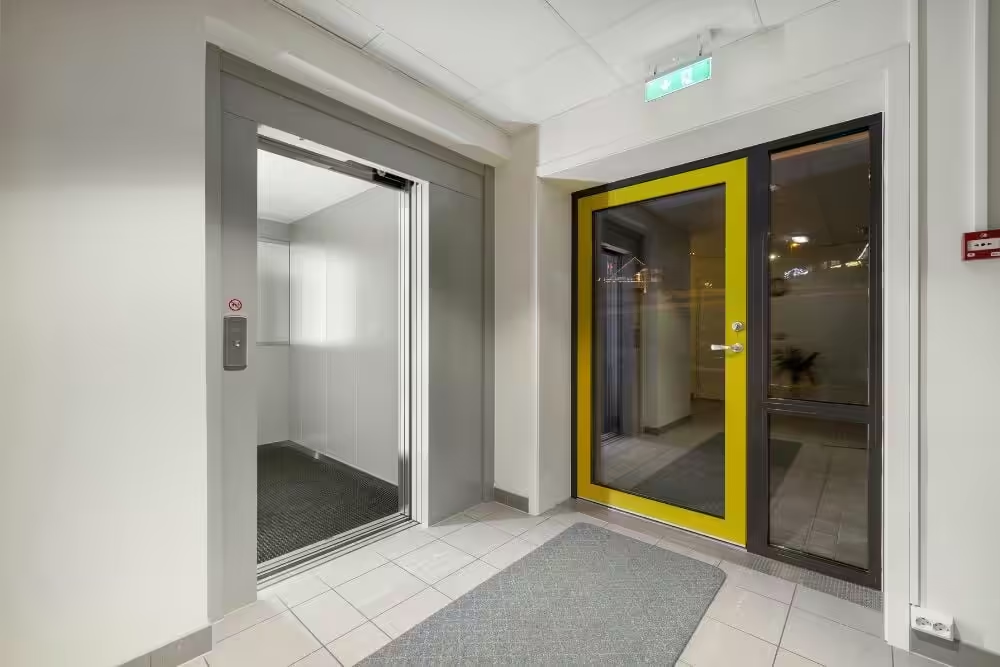
Have you ever stopped to think about how many people touch your office door handle each day? What about the lift buttons, the meeting room doors, or the entrance to the break room? In a busy workplace, these high-touch surfaces become breeding grounds for bacteria and viruses silently passing germs from person to person without anyone giving it a second thought.
Since the global health events of recent years, workplace hygiene has shot to the top of every business owner’s priority list. Employees now expect cleaner, safer environments, and companies are scrambling to find practical solutions that actually work. This shift in mindset has sparked a revolution in how we think about everyday office interactions, particularly when it comes to accessing our workspaces.
In this article, we’ll explore how touchless door entry systems are transforming office hygiene across Australian workplaces. You’ll discover exactly how these systems work, why traditional door handles pose such a significant health risk, and the key benefits of making the switch. We’ll also look at the different types of touchless access control available, what they cost, and how to choose the right system for your business. Whether you’re managing a small office in Melbourne or a large commercial building in Sydney, this guide will give you everything you need to make an informed decision.
What Are Touchless Door Entry Systems?
Touchless door entry systems are exactly what they sound like access control solutions that allow people to enter buildings and rooms without physically touching anything. Instead of turning a handle or pressing a button, users can simply wave their smartphone, show their face to a camera, or walk past a sensor.
How Do Touchless Door Entry Systems Work?
These systems rely on various technologies to verify a person’s identity and grant access. The most common methods include Bluetooth connectivity, facial recognition software, and proximity sensors. When an authorised person approaches, the system automatically recognises them and unlocks the door no physical contact required.
The technology behind these systems has become remarkably sophisticated. Modern touchless entry solutions can distinguish between authorised and unauthorised individuals in milliseconds, making them both secure and convenient. Plus, they create detailed access logs, so facility managers always know who entered which areas and when.
Types of Touchless Access Control for Commercial Buildings
Australian businesses have several options to choose from when selecting touchless access control:
– Mobile credentials – Using smartphones as digital keys via Bluetooth or NFC
– Facial recognition – Cameras that identify registered users by their facial features
– Proximity cards – Contactless cards that communicate with readers from a short distance
– Motion sensors – Systems that detect authorised devices or wearables as people approach
– Voice recognition – Emerging technology that grants access through voice commands
Each option offers different advantages depending on your security requirements, budget, and office layout.
The Hidden Hygiene Problem with Traditional Door Handles
Most people don’t realise just how contaminated traditional door handles can become throughout a typical workday. These innocent-looking fixtures are actually one of the dirtiest surfaces in any office environment.
How Many Germs Are on Office Door Handles?
Research has shown that a single door handle can harbour hundreds of thousands of bacteria per square centimetre. According to various studies, office door handles rank among the top five most contaminated surfaces in workplaces alongside keyboards, phones, and lift buttons.
What makes this particularly concerning is how quickly contamination spreads. When one person with a cold touch a door handle, those germs can transfer to the next person within seconds. In a busy office where dozens of people use the same doors daily, you can see how rapidly illness can spread through an entire team.
High-Touch Surfaces and Disease Transmission in the Workplace
High-touch surfaces play a significant role in workplace disease transmission. Studies suggest that viruses can survive on metal and plastic surfaces for hours or even days, depending on conditions. This means that a single contaminated door handle in the morning could still be spreading germs by afternoon tea.
The economic impact is substantial too. Sick days cost Australian businesses billions of dollars annually, and a significant portion of workplace illness can be traced back to surface transmission. By eliminating the need to touch shared surfaces, touchless entry systems directly address this problem at its source.
Key Hygiene Benefits of Touchless Door Entry Systems
Making the switch to touchless access control delivers several important hygiene advantages that directly benefit your workplace and your people.
Reducing the Spread of Germs and Bacteria
The most obvious benefit is simple: no touch means no transfer. When employees don’t need to grab door handles, they’re not picking up or leaving behind germs. This single change can dramatically reduce the spread of common illnesses like colds, flu, and gastro throughout your office.
Think about it if your main entrance, meeting rooms, and bathrooms all feature touchless entry, you’ve eliminated multiple transmission points that people encounter dozens of times each day.
Supporting Employee Health and Wellbeing
Beyond preventing illness, touchless systems send a clear message to your team: their health matters. In today’s competitive job market, employees value workplaces that prioritise their wellbeing. Installing touchless entry demonstrates a genuine commitment to creating a healthier environment.
This investment can boost morale and productivity. When people feel safe and protected at work, they’re more engaged and focused. They’re also less likely to call in sick, which benefits everyone.
Are Touchless Door Systems More Hygienic Than Traditional Locks?
Absolutely. Traditional locks and handles require direct physical contact from every single person who passes through. Touchless systems eliminate this contact entirely. While no workplace can be completely germ-free, removing high-touch surfaces represents one of the most effective hygiene improvements any business can make.
Beyond Hygiene: Additional Advantages for Modern Offices
While hygiene is a compelling reason to upgrade, touchless entry systems offer several other benefits worth considering.
Enhanced Security and Access Control
Modern touchless systems provide superior security compared to traditional keys or swipe cards. Mobile credentials can’t be easily copied, facial recognition is nearly impossible to fool, and lost phones can be remotely deactivated immediately. Plus, detailed access logs help you track who enters restricted areas.
Improved Accessibility for All Employees
Touchless entry makes life easier for everyone, particularly employees with disabilities or mobility challenges. People carrying equipment, those using wheelchairs, or anyone with their hands full can enter without struggling with handles. This inclusivity improvement shouldn’t be overlooked.
Streamlined Visitor Management
Managing visitors becomes much simpler with touchless systems. Temporary access credentials can be sent to guests’ smartphones before they arrive, eliminating reception bottlenecks and creating a more professional first impression.
What Is the Best Touchless Entry System for Offices?
Choosing the right system depends on your specific needs, but here’s a quick breakdown of the main options:
Mobile Credential and Smartphone Access
This popular choice uses employees’ existing smartphones as digital keys. It’s cost-effective since there’s no additional hardware for staff to carry, and most people always have their phones handy.
Facial Recognition and Biometric Options
Facial recognition offers the highest convenience simply walk up and the door opens. However, it typically costs more and raises some privacy considerations that need addressing.
Proximity Cards and Sensors
Proximity cards strike a balance between security and simplicity. They’re affordable, reliable, and familiar to most office workers.
How Much Does a Touchless Door Entry System Cost?
Costs vary significantly based on the technology chosen and the number of access points required. Basic proximity card systems might start from a few hundred dollars per door, while comprehensive facial recognition setups can run into thousands.
Installation and Ongoing Maintenance Considerations
Factor in professional installation costs and ongoing maintenance when budgeting. Most systems require periodic software updates and occasional hardware servicing. However, the long-term savings from reduced sick days and improved security often outweigh these expenses.
Implementing Touchless Entry: What Australian Businesses Need to Know
Australian businesses should ensure any system they choose complies with local privacy regulations, particularly regarding biometric data collection. Working with reputable local suppliers who understand Australian requirements is essential for a smooth implementation.
Frequently Asked Questions
Can Touchless Door Systems Integrate with Existing Security?
Yes, most modern touchless systems are designed to integrate with existing security infrastructure, including CCTV, alarm systems, and building management software.
Are Touchless Entry Systems Suitable for Small Offices?
Absolutely. Scalable solutions exist for businesses of all sizes, from single-door installations to enterprise-wide deployments.
Creating a Healthier, Safer Workplace
Touchless door entry systems represent a practical, effective solution for improving office hygiene in Australian workplaces. By eliminating high-touch surfaces, these systems directly reduce germ transmission, support employee health, and demonstrate a genuine commitment to workplace wellbeing.
Beyond hygiene, the benefits extend to enhanced security, improved accessibility, and streamlined operations. With various options available at different price points, there’s a solution suitable for virtually every business, regardless of size or budget.
If you’re serious about creating a healthier environment for your team, touchless entry is well worth exploring. The technology has matured, costs have become reasonable, and the health benefits are undeniable. Your employees and their immune systems will thank you for it.