A healthy smile is more than a nice feature. It is a part of your overall health and well-being.
Strong teeth help you eat comfortably and speak clearly. Smile with confidence. Healthy gums protect the structures that support your teeth. Good oral hygiene helps prevent infections and many dental problems.
Tooth decay and gum disease are still common health issues worldwide.. Most dental problems can be prevented with good habits and regular professional care.
You do not need to follow routines to keep your teeth healthy. Small daily practices and regular dental checkups can make a difference.
Why Healthy Teeth Matter
Healthy teeth are important for more than appearance.
Good oral health helps you:
- Chew food properly for digestion
- Speak clearly and confidently
- Prevent tooth pain and sensitivity
- Reduce the risk of tooth loss
- Maintain breath
- Improve self-confidence
- Support overall health
Research has also shown links between oral health and conditions like diabetes cardiovascular disease and certain respiratory illnesses.
Brush Your Teeth Correctly
Brushing is the foundation of oral hygiene.
Dentists generally recommend brushing:
- Twice every day
- For least two minutes each time
- Using a soft-bristled toothbrush
- With fluoride toothpaste
Proper Brushing Technique
- Hold the toothbrush at a 45-degree angle toward the gums.
- Use circular motions.
- Clean the inner and chewing surfaces of every tooth.
- Brush your tongue to reduce bacteria and improve breath.
- Avoid scrubbing, which can damage enamel and gums.
Choose the Right Toothbrush
Selecting the right toothbrush makes daily cleaning more effective.
Look for:
- bristles
- Comfortable grip
- Small head for easy access
- Good-quality bristle design
Electric toothbrushes may be especially helpful for children, older adults and people with limited hand mobility.
Replace your toothbrush or brush head every three months or sooner if the bristles become worn.
Use Fluoride Toothpaste
Fluoride strengthens tooth enamel. Helps protect against cavities.
Benefits include:
- Remineralizing weakened enamel
- Preventing tooth decay
- Reducing sensitivity
- Protecting developing teeth in children
Use the recommended amount based on age and follow your dentists advice.
Floss Every Day
Brushing alone cannot clean the spaces between teeth.
Daily flossing helps:
- Remove food particles
- Eliminate plaque
- Prevent gum disease
- Reduce breath
- Lower cavity risk between teeth
If traditional floss is difficult to use, consider floss picks or water flossers after consulting your dentist.
Clean Your Tongue
The tongue harbors bacteria that can contribute to breath and plaque buildup.
Use a tongue scraper. Gently brush your tongue each day as part of your oral care routine.
Eat a Tooth-Friendly Diet
Nutrition plays a role in oral health.
Foods That Support Healthy Teeth
- Milk
- Cheese
- Yogurt
- green vegetables
- Almonds
- Fish
- Eggs
- Apples
- Carrots
- Cucumbers
- Strawberries
These foods provide nutrients like calcium, phosphorus and vitamins that support strong teeth and gums.
Limit Sugary Foods and Drinks
Sugar feeds bacteria that produce acids of damaging tooth enamel.
Reduce consumption of:
- drinks
- Candy
- Sticky sweets
- Sweetened juices
- Cakes
- Cookies
- Energy drinks
If you consume foods rinse your mouth with water afterward and avoid frequent snacking on sweets.
Stay Hydrated
Water helps:
- Wash away food debris
- Reduce acid levels
- Support saliva production
- Keep your mouth clean
Saliva naturally protects teeth by neutralizing acids and supplying minerals to tooth enamel.
Avoid Tobacco Products
Smoking and other tobacco use increase the risk of:
- Gum disease
- Tooth discoloration
- breath
- Oral cancer
- Delayed healing
- Tooth loss
Quitting tobacco benefits both overall health.
Limit Alcohol Consumption
Excessive alcohol may contribute to:
- mouth
- Increased cavity risk
- Gum problems
- Oral cancer risk
Maintaining hydration. Practicing good oral hygiene can help reduce these effects.
Wear a Mouthguard During Sports
Sports-related injuries are common.
A fitted mouthguard helps protect against:
- Broken teeth
- Knocked-out teeth
- Jaw injuries
- tissue injuries
Custom-made mouthguards generally provide the best fit and protection.
Protect Your Teeth from Grinding
Some people grind or clench their teeth during sleep.
This can cause:
- Tooth wear
- Cracks
- Jaw pain
- Headaches
- teeth
Your dentist may recommend a custom night guard if grinding is diagnosed.
Visit Your Dentist
Routine dental examinations are essential even when your teeth feel healthy.
Regular visits allow dentists to:
- Detect cavities early
- Identify gum disease
- Perform cleanings
- Check for oral cancer
- Monitor existing restorations
- Provide preventive advice
Most people benefit from checkups every six months although individual needs may vary.
Professional Dental Cleaning
excellent home care cannot remove hardened tartar.
Professional cleanings help:
- Remove plaque and tartar
- Polish teeth
- Reduce gum inflammation
- cavity risk
- Maintain fresh breath
Preventive cleanings support the term oral health.
Watch for Early Warning Signs
Schedule an appointment if you notice:
- Bleeding gums
- Bad breath
- Tooth sensitivity
- Tooth pain
- Loose teeth
- gums
- Mouth sores that do not heal
- Changes in bite
Early diagnosis often leads to more effective treatment.
Common Myths About Dental Care
Myth 1: If My Teeth Don’t Hurt They’re Healthy
Many dental conditions develop without pain in their stages. Regular checkups are still important.
Myth 2: Brushing Harder Cleans
Aggressive brushing can wear down enamel and damage gums. Gentle thorough brushing is more effective.
Myth 3: Baby Teeth Don’t Need Much Care
Primary teeth are important for chewing, speech and guiding permanent teeth into place.
Myth 4: Sugar Is the Cause of Cavities
Cavities result from bacteria producing acids. Frequent consumption of starchy foods increases the risk.
Daily Oral Care Routine
A simple daily routine may include:
- Brush daily with fluoride toothpaste.
- Floss daily.
- Clean your tongue.
- Drink plenty of water.
- Eat a diet.
- Limit snacks.
- Avoid tobacco products.
- Wear mouthguards when needed.
- Visit your dentist regularly.
Consistency is more important than perfection.
Final Thoughts
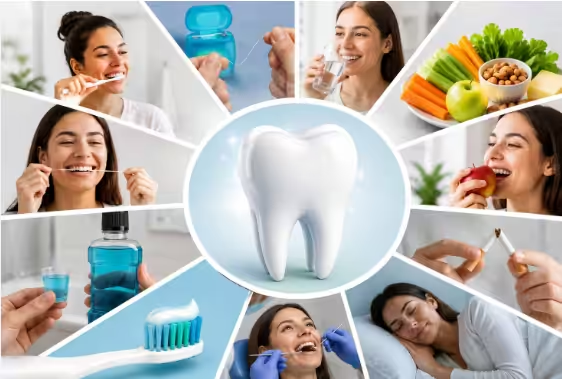
Keeping your teeth healthy for life is the result of care, healthy lifestyle choices and regular professional dental visits. Brushing correctly flossing every day eating a diet staying hydrated and seeking preventive care are simple habits that can help protect your smile for decades.
Remember that prevention is always easier and more affordable than treating dental problems. By making hygiene a priority and addressing issues early you can enjoy strong teeth, healthy gums and the confidence that comes with a lifelong healthy smile.
FAQs
1. How often should I brush my teeth?
Most dentists recommend brushing twice a day for least two minutes using fluoride toothpaste.
2. Is flossing really necessary?
Yes. Flossing removes plaque and food particles from between teeth where a toothbrush cannot reach, helping prevent cavities and gum disease.
3. How often should I visit the dentist?
For people a dental checkup every six months is appropriate though your dentist may recommend a different schedule based on your oral health.
4. Which foods are good for teeth?
Dairy products, leafy greens, crunchy fruits and vegetables, nuts and foods rich in calcium and phosphorus support strong teeth.
5. Can tooth decay be prevented?
Yes. Good oral hygiene, fluoride use, a diet limiting sugary foods and regular dental visits can significantly reduce the risk of tooth decay.